
How Cannabinoids Help Protect the Aging Brain - By Billee Sharp
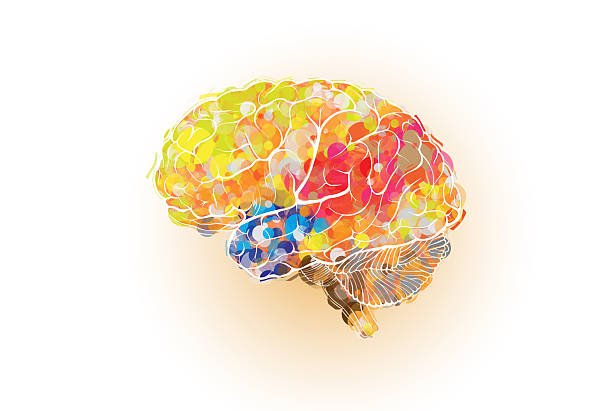
As we age, the brain relies on the endocannabinoid system to help manage inflammation, keep neurons healthy, and support the synaptic connections between brain cells. Scientists have been researching the neuroprotective and regenerative capabilities of cannabinoids in the aging brain. Full spectrum extracts containing both major ( THC, CBD, CBN) and minor endocannabinoids (CBG, THCv etc..) can slow the onset of neurological diseases such as dementia and Alzheimer's as well as ease some of the brain changes linked to these diseases as they progress.
How Cannabinoids Help
Animal studies have shown some promising signs, some of the earliest research found that cannabinoid compounds could calm down the brain's inflammatory response to amyloid-beta, the sticky protein buildup that's a hallmark of Alzheimer's. In mouse studies, this meant less inflammation, lower amyloid buildup, and better memory performance overall.
CBD specifically stands out for its calming, antioxidant effects on the brain. A 2025 review pulling together both animal and human research found that CBD consistently helped tone down brain inflammation and reduce the activity of "reactive" support cells that, when overactive for too long, actually contribute to neuron damage. Since chronic brain inflammation is now seen as one of the key drivers behind Alzheimer's — not just a side effect — this is a big part of why researchers are excited about cannabinoids as a possible add-on treatment.
What the Human Trials Show So Far
Human research is still catching up, in the late '90s through 2011, early studies mostly looked at cannabis-based drugs for managing behavioral symptoms of dementia, like agitation, rather than memory functionality or thinking skills.
The most exciting recent development is a 2025 clinical trial, run by researchers from Johns Hopkins and two Brazilian universities. It was a proper randomized, placebo-controlled study and the longest cannabinoid trial in Alzheimer's patients to date, lasting 26 weeks. Patients took a very low daily dose of a balanced THC-CBD extract, and by the end of the trial, they scored significantly better on a standard cognitive test than the placebo group. Side effects were mild.
The Dose Really Matters
One thing researchers keep stressing: with cannabinoids, more isn't necessarily better. Cognative benefits seem to show up at very low doses, and too much can actually cancel out the positive effects or induce more side effects. That's why these trials use tiny, carefully measured amounts rather than anything close to a typical recreational dose. Scientists now think cannabinoids work on the brain through several different pathways at once, rather than just one simple mechanism, which helps explain this delicate balance.
CBN and Mitochondrial Recovery
Beyond THC and CBD, researchers have investigated the effects of cannabinol (CBN), a non-psychoactive cannabinoid that seems to work through a completely different route: the mitochondria, or the "powerhouses" of brain cells. In a study out of the Salk Institute, scientists found that when neurons are under oxidative stress, their mitochondria start to curl up and lose function — a change also seen in brain cells from people with Alzheimer's. Treating those cells with CBN stopped the mitochondria from curling and kept them working normally. When the researchers removed the mitochondria from the cells altogether, CBN's protective effect disappeared entirely, which confirmed that the mitochondria themselves were the target. The team believes this points to a therapeutic angle that goes beyond Alzheimer's, since mitochondrial breakdown is tied to aging and disease across many tissues, not just the brain.
In Conclusion
Cannabinoids are not a cure for dementia or Alzheimer's, but between the anti-inflammatory effects seen in clinical trials and encouraging early results in real patients, there is a genuine reason for optimism. Bigger, longer trials are still needed before doctors could recommend cannabinoids as a standard treatment, but the research so far suggests this is a direction worth watching closely.
References
Cury, R. de M., da Silva, T., Cezar-dos-Santos, F., Fakih, Y. R. C., Ramírez Narvaez, K. A., Gouvea, M. C., Espínola, C., Ferreira, C. F., Chiba de Castro, W. A., Pamplona, F. A., da Silva, E. G., Bicca, M. A., & Nascimento, F. P. (2025). A randomized clinical trial of low-dose cannabis extract in Alzheimer's disease. Journal of Alzheimer's Disease. https://doi.org/10.1177/13872877251389608
Therapeutic Potential for Cannabidiol on Alzheimer's Disease-Related Neuroinflammation: A Systematic Review and Meta-Analysis. (2025). International Journal of Molecular Sciences, 26(24), 11963. https://www.mdpi.com/1422-0067/26/24/11963
Cannabinoids in Alzheimer's Disease: Animal-Human Evidence and Clinical Pharmacology Challenges. (2026). Frontiers in Behavioral Neuroscience. https://www.frontiersin.org/journals/behavioral-neuroscience/articles/10.3389/fnbeh.2026.1833021/full
Van Den Elsen, G. A. H., Ahmed, A. I. A., Verkes, R. J., et al. (2015). Tetrahydrocannabinol for neuropsychiatric symptoms in dementia: A randomized controlled trial. Neurology, 84(23), 2338–2346.
Liang, Z., Soriano-Castell, D., Kepchia, D., Duggan, B. M., Currais, A., Schubert, D., & Maher, P. (2022). Cannabinol inhibits oxytosis/ferroptosis by directly targeting mitochondria independently of cannabinoid receptors. Free Radical Biology and Medicine, 180, 33–51. https://doi.org/10.1016/j.freeradbiomed.2022.01.002