
CBD and CBG for Good Gut Health - by Billee Sharp
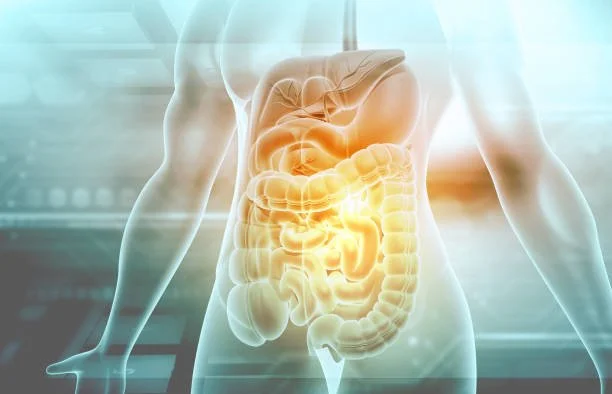
Cannabigerol (CBG) is rapidly emerging as one of the most promising therapeutic cannabinoids and with good reason. Often called the "mother of all cannabinoids," CBG is the precursor from which other cannabinoids like CBD and THC are derived. While THC and CBD are the better recognised and researched cannabinoids, studies suggest that CBG, particularly in its raw form, may offer profound benefits for digestive health, including relief for those suffering from IBS and Crohn's disease.
CBG and CBD are complimentary cannabinoids, at Synergy Wellness we combine them to reinforce the anti-inflammatory capacity of both compounds.
What Is Raw CBG?
Raw CBG refers to cannabigerol in its acidic, unheated form: CBGA (cannabigerolic acid). Before cannabis is dried or heated, CBGA is the dominant compound in the plant. Unlike processed CBG, raw CBGA has not undergone decarboxylation, meaning it retains its natural acidic structure. This matters because raw cannabinoids interact with the body differently, often activating pathways that processed cannabinoids do not, and delivering benefits that may be lost during conventional extraction and heating.
CBG and Gut Health: A Powerful Relationship
The gut contains one of the highest concentrations of cannabinoid receptors in the body, particularly CB1 and CB2 receptors, which form part of the endocannabinoid system (ECS). The ECS plays a critical role in regulating gut motility, inflammation, pain signaling, and the intestinal immune response. CBG binds directly to both CB1 and CB2 receptors, positioning it as a uniquely effective tool for gut-related conditions.
Irritable Bowel Syndrome (IBS)
IBS is characterized by chronic abdominal pain, cramping, bloating, and irregular bowel movements. CBG's interaction with the ECS helps regulate gut motility — the speed at which contents move through the intestines. By modulating these contractions, CBG may help reduce the erratic movement that causes both diarrhea and constipation in IBS sufferers. Its anti-spasmodic properties can also relax intestinal muscle contractions, offering meaningful relief from cramping.
Crohn's Disease and Inflammatory Bowel Disease (IBD)
Crohn's disease is a chronic inflammatory condition that can affect any part of the gastrointestinal tract. One of CBG's most significant properties is its potent anti-inflammatory action. Research has shown CBG inhibits the production of inflammatory markers, including TNF-alpha and interleukins, which are heavily implicated in the inflammation cycle of Crohn's disease. By downregulating these responses, CBG may help reduce flare-ups, protect the intestinal lining, and support remission.
Raw CBGA, in particular, appears to have enhanced anti-inflammatory potential in the gut due to its ability to interact with TRPA1 and TRPV1 receptors — pain and inflammation channels that are highly active in IBD patients.
Gut Permeability and Intestinal Lining Support
A damaged gut lining — often called "leaky gut" — is a contributing factor in many digestive disorders. CBG has shown promise in supporting the integrity of the epithelial cells that line the intestine, reducing permeability and helping prevent toxins from entering the bloodstream. This is especially relevant for Crohn's patients, where mucosal healing is a key marker of recovery.
Beyond the Gut: Other Health Benefits of CBG
CBG's benefits extend well beyond digestive health:
Neuroprotection: CBG has demonstrated neuroprotective properties in preclinical studies, showing potential in slowing the progression of neurodegenerative conditions like Huntington's disease and ALS.
Antibacterial: CBG has shown potent activity against drug-resistant bacteria, including MRSA strains, making it a candidate for future antimicrobial applications.
Glaucoma relief: CBG reduces intraocular pressure, making it potentially valuable in glaucoma management.
Appetite stimulation: CBG helps to stimulate the appetite, beneficial for those with conditions causing appetite loss.
Bladder health: CBG has been studied for its ability to reduce bladder contractions, offering support for overactive bladder conditions.
Mood and anxiety: CBG inhibits the reuptake of GABA and serotonin, which may contribute to reduced anxiety and an elevated mood without intoxication.
CBG — especially in its raw, unheated CBGA form — represents a compelling natural option for those managing chronic digestive conditions. Its direct action on the endocannabinoid system, combined with powerful anti-inflammatory and gut-protective properties, sets it apart from other cannabinoids. As research continues to accelerate, CBG may well become the go-to cannabinoid for gut health, offering a safer, plant-based complement to conventional treatments for IBS, Crohn's, and beyond.
Selected Sources
Landmark Preclinical trial advocating CBG for gut health:
https://www.sciencedirect.com/science/article/abs/pii/S0006295213000543
CBG trial for visceral pain associated with colitis
https://www.sciencedirect.com/science/article/abs/pii/S0022356525097253