
Before Modern Medicine: How Humanity Discovered Medicinal Plants
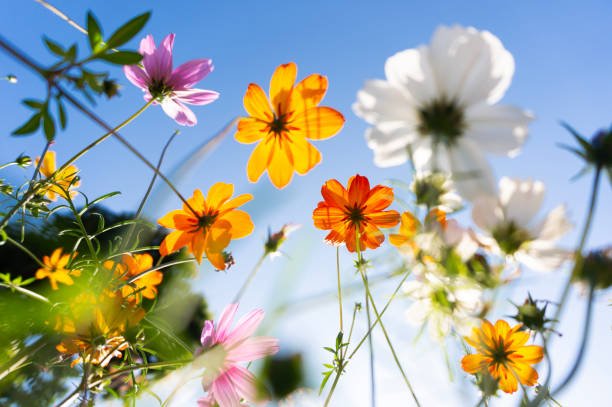
Long before pharmacies, laboratories, or modern hospitals, people turned to the natural world for relief from pain, illness, and injury. Plants were among humanity’s earliest sources of medicine—not because ancient people understood their chemistry, but because generations of observation, experimentation, and shared knowledge revealed that certain plants could affect the human body.
And The story of botanical medicine may reach much further back than written history.
Archaeological research at El Sidrón, a Neanderthal site in northern Spain, found chemical evidence of yarrow and chamomile in dental calculus dating back approximately 49,000 years. Researchers suggested these plants may have been consumed for medicinal reasons. We cannot know their exact purpose, but the findings raise a fascinating possibility: our ancient human relatives may have recognized that certain plants had effects beyond nutrition.
Other early evidence comes from prehistoric Southeast Asia, where archaeological findings suggest the use of areca nut thousands of years ago. This is an important distinction: evidence of plant consumption does not necessarily establish medicinal use. In fact, areca nut is now recognized as carcinogenic to humans—a reminder that natural substances are not automatically safe.
As human communities developed agriculture and permanent settlements, botanical knowledge became increasingly organized. Ancient Mesopotamian medical tablets recorded plant-based preparations. In Egypt, the Ebers Papyrus, dating to approximately 1550 BCE, documented hundreds of medical prescriptions, many involving botanical ingredients. These records show that plants were becoming part of structured healing traditions.
Other civilizations developed extensive systems of botanical knowledge. Indian Ayurvedic traditions and Chinese materia medica organized plants according to their traditional uses and observed effects. The Chinese text known as the Shennong Ben Cao Jing, traditionally associated with a legendary ancient emperor, survives through a much later textual tradition. Its importance lies not in proving an impossibly early date, but in showing how botanical knowledge was eventually collected and classified.
In the Mediterranean world, the physician Dioscorides produced De Materia Medica in the first century CE. Describing hundreds of plants and their uses, it became one of the most influential pharmacological references in history.
Certain plants left especially important legacies. The opium poppy became a source of powerful pain-relieving medicines. Willow bark contributed to the history of salicylates and ultimately aspirin. Ephedra supplied compounds that influenced respiratory medicine. Garlic, aloe, senna, frankincense, and licorice each developed long histories of traditional use and later scientific investigation.
Cannabis also has a long relationship with humanity. It served as a source of fiber and food, as well as a plant used in medicinal and ritual contexts. Archaeological evidence from a burial site at Yanghai in western China, approximately 2,700 years old, revealed cannabis material containing psychoactive chemical constituents. Its precise purpose remains uncertain, but the discovery demonstrates the plant’s deep historical presence.
These traditions were not modern medicine. Ancient preparations were often inconsistent, and some were ineffective or dangerous. Yet they represent a remarkable human achievement: the gradual discovery that plants contain substances capable of changing biological processes.
The history of medicine begins, in part, with that relationship between people and plants. Modern science has not erased this history. It has given us new tools to investigate it—and to understand why some botanical discoveries became medicines while others remained traditions.