
Valentine X: A CBD-Rich Cultivar with a Story of Its Own - By Galaad C.

Among the many CBD-rich cannabis cultivars, Valentine X stands out not only for its remarkably high CBD-to-THC ratio, but also for the story behind its name. Developed as a selected phenotype of ACDC, a CBD-dominant cultivar descended from Cannatonic, Valentine X was selected for its particularly strong expression of CBD and very low levels of THC.

Valentine was named in reference to St. Valentine, who is traditionally recognized as the patron saint of epilepsy, in addition to his more familiar association with love and relationships. That connection reflects the early interest surrounding CBD and its potential relevance to seizure disorders. While the history is an important part of Valentine X's identity, it is worth distinguishing the cultivar's story from modern medical claims: the name does not mean that Valentine X itself has been clinically established as a treatment for epilepsy.

A Distinctive Terpene Character

Valentine X is generally characterized by a terpene profile led by myrcene, pinene, and beta-caryophyllene. Together, these compounds contribute to an aromatic profile that is earthy and herbal, with fresh pine notes and a subtle peppery or spicy character. Myrcene tends to give the cultivar a softer, grounded quality, while pinene contributes a brighter, more aromatic freshness. Caryophyllene adds warmth and spice, helping round out the overall profile.

Calm Without the Heavy High

Perhaps the most distinctive characteristic of Valentine X is the experience people commonly associate with it: relaxation without a strong sense of intoxication. Valentine X is often chosen by people looking for a more functional cannabis experience—one that may bring a sense of calm while allowing them to remain relatively clear-headed.

Anecdotal reports commonly describe feelings of calmness, focus, creativity, sociability, and gentle physical relaxation. Some people experience a subtle uplift or sense of well-being, while others appreciate it specifically because it doesn't produce the mental fog or intense psychoactive effects they may associate with higher-THC cultivars.

That combination has helped Valentine X develop a reputation as a cultivar suited to daytime or otherwise functional use. People may gravitate toward it when they want to unwind, take the edge off everyday tension, engage in creative activities, or simply enjoy the aromatic and botanical qualities of cannabis without seeking a pronounced THC high.
The Endocannabinoid System: Your Body's Natural Healing Helper - By Leonard Leinow

Over the years, one of the questions I've been asked most often is, "What exactly does CBD do?" Before we can answer that, we need to understand something even more remarkable: the body already has its own cannabinoid system.

It's called the endocannabinoid system, or ECS, and although it was only discovered a few decades ago, scientists now recognize it as one of the body's most important systems for maintaining health and balance.

I like to think of the ECS as the body's conductor. Just as the conductor helps every instrument in an orchestra play in harmony, the endocannabinoid system helps many of our body's systems work together. When one area begins to drift out of balance, the ECS is there to help restore order.

This extraordinary system is found throughout the body. It influences sleep, mood, memory, appetite, immune function, our response to stress, and our perception of discomfort. In other words, it quietly supports many of the functions that allow us to feel healthy and resilient.

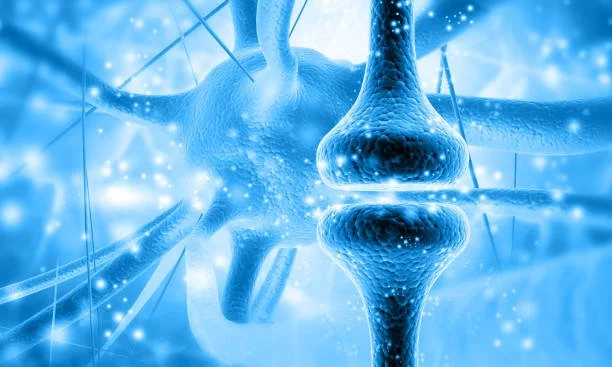
Most people are surprised to learn that our bodies actually make their own cannabinoids. These natural compounds, called endocannabinoids, act as messengers, carrying signals where they're needed. Once their job is finished, they're broken down and recycled. It's a beautifully designed system that is always working behind the scenes, usually without us ever noticing.

So where does CBD fit into the picture?

Unlike THC, CBD is not intoxicating and won't make you feel "high." Instead, research suggests that CBD works by supporting the body's own endocannabinoid system. Rather than forcing the body in one direction, it appears to encourage the ECS to do what it was designed to do: help maintain balance, or what scientists call homeostasis.

I often tell people that CBD isn't trying to take over the body's job. It's more like offering support to a system that has been working for us since before we were born.

Our modern lives place enormous demands on our bodies. Chronic stress, poor sleep, environmental toxins, processed foods, and the natural aging process can all challenge our ability to maintain balance. While no single supplement is a magic answer, supporting the body's own regulatory systems makes good sense.

This is why I encourage people to think of CBD as one part of a larger wellness lifestyle. Good nutrition, regular movement, restorative sleep, meaningful relationships, time in nature, and stress reduction all work together with the body's natural healing mechanisms.

The more we learn about the endocannabinoid system, the more we appreciate the incredible wisdom built into the human body. We are not simply collections of organs working independently. We are integrated beings, equipped with an internal system whose purpose is to help us adapt, recover, and thrive.

The discovery of the endocannabinoid system in 1988 by Israeli scientist, Raphael Mechoulam, has changed the way many scientists think about health. For me, it reinforces something I've believed for many years: the body has an extraordinary capacity for healing when we give it the support it needs.

Sometimes the most profound medicine begins with understanding this remarkable system we already have within us.